Exploring the ‘Third Space’ of the Whale
An architectural narrative-led response investigating the volume inside of a whale triggered by literature.
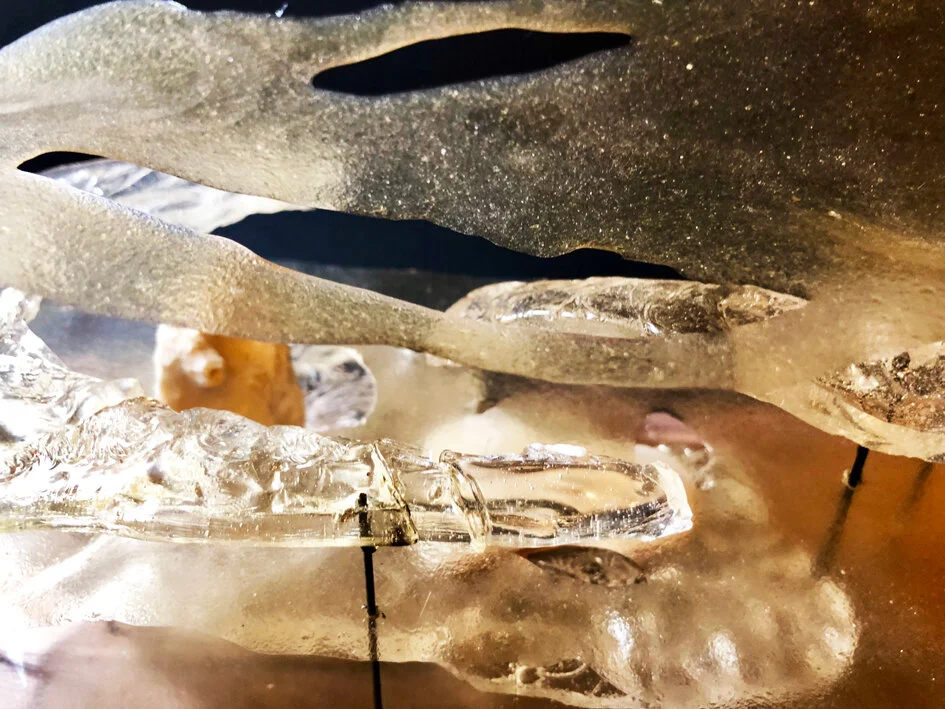
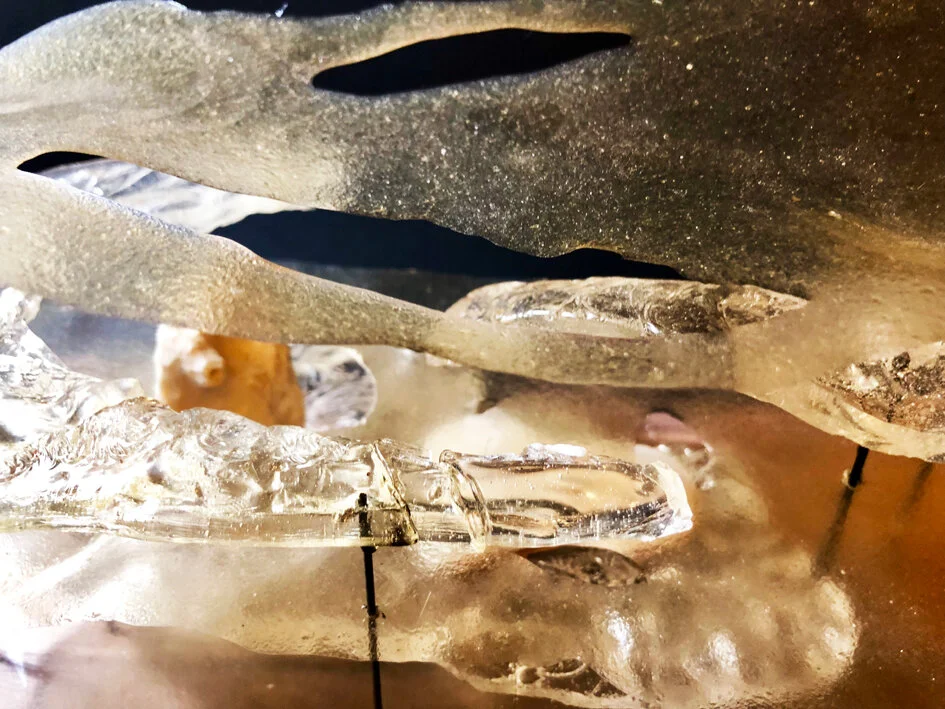
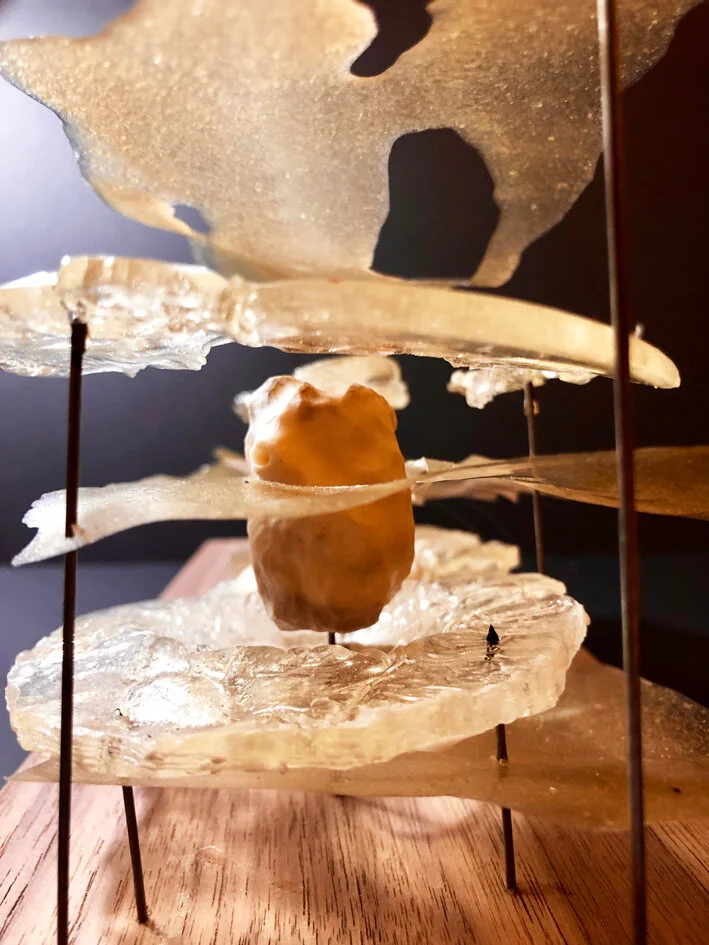
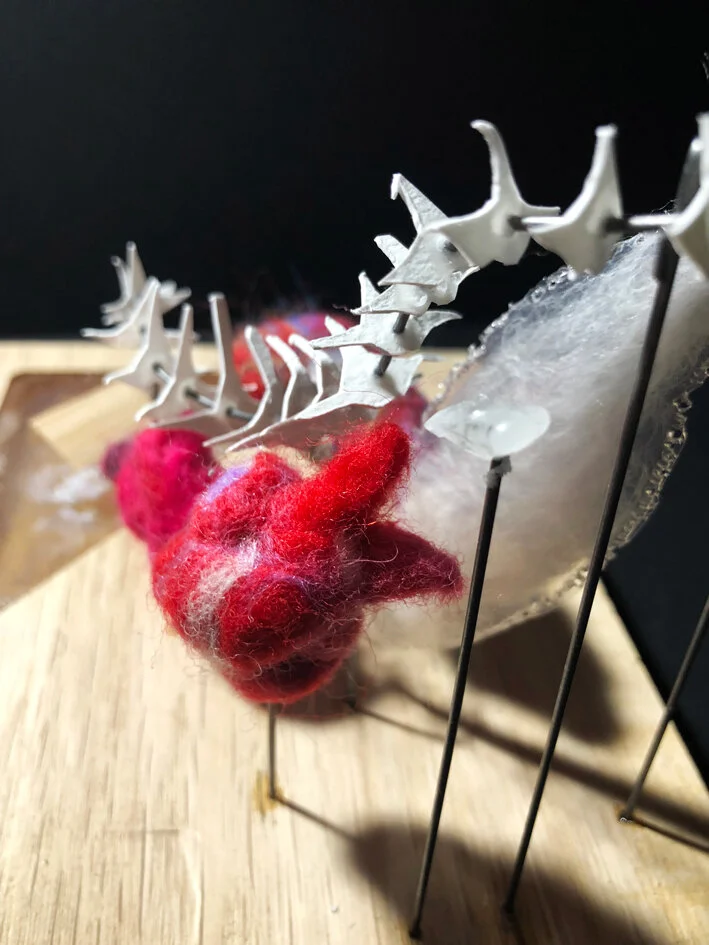
Model made using spermaceti (wax derived from a whale), glass, bone, silk and isinglass (glue that hardens like glass made from fish swim-bladder.)
Model of a chair that forces the inhabitant to occupy the available space inside of a whale.
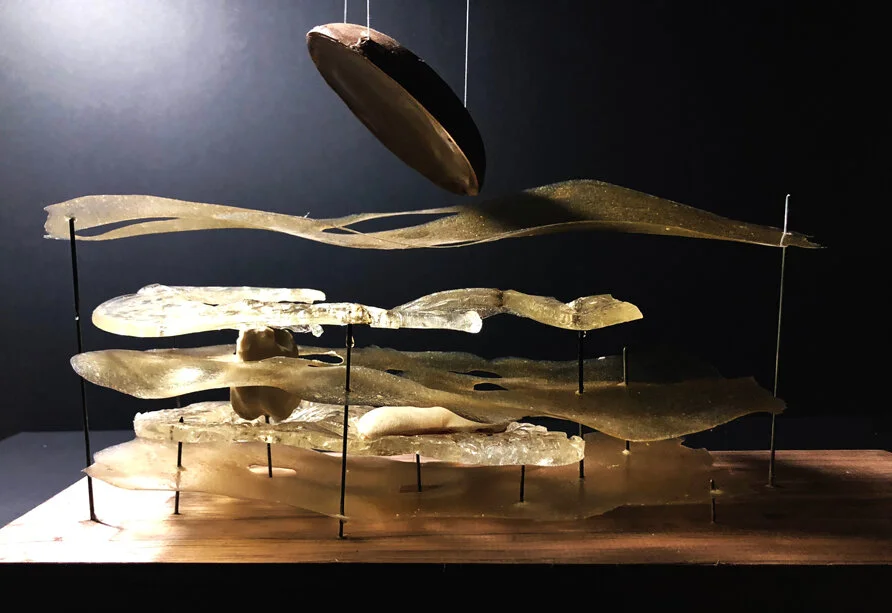
When we read Herman Melville’s great work, ‘Moby Dick’ there is an allusion to the biblical story of Jonah and the Whale. We always perceive the whale as a great creature that could swallow a human and the human could walk around inside the vast cavity of the whale. When in reality the whale, like any animal has organs and tissues that occupy its great mass. This model of a chair challenges notions of whale-emptiness through showing the placement of it’s organs and how a human might sit in the available pockets or The Third Space in between.
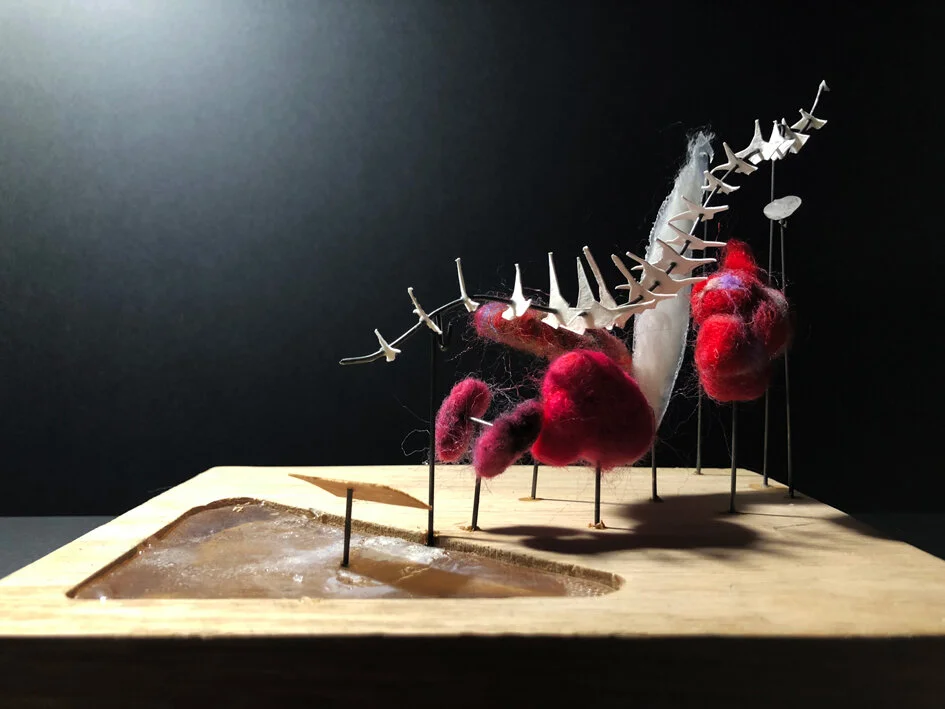
Model using textiles to explore the softness of the Whale’s flesh compared to the hard rigid structure of it’s spine.
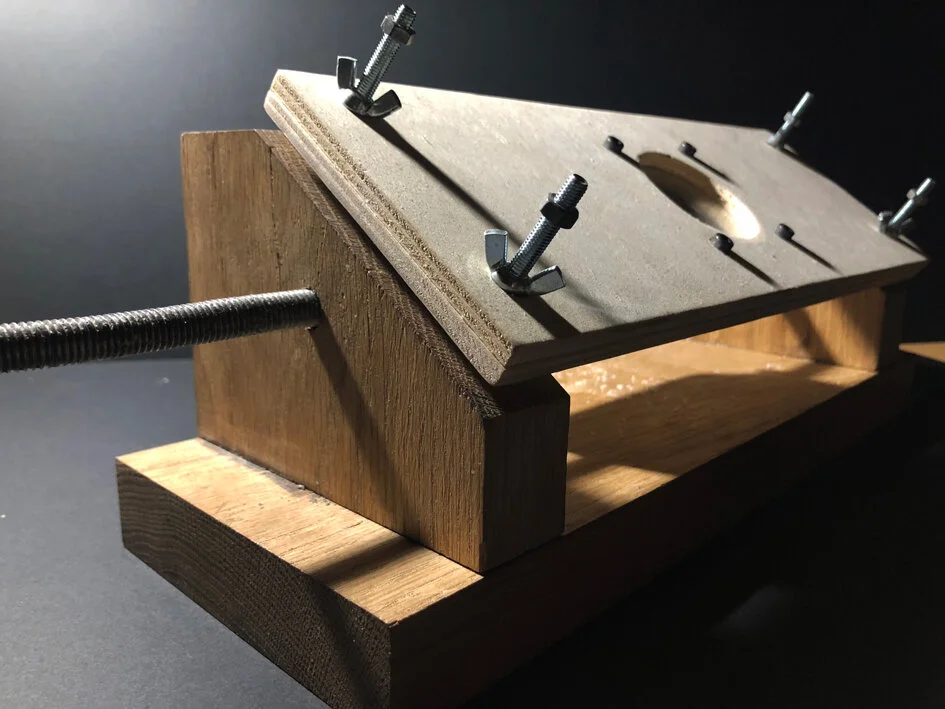
This project began as an auditory investigation into the ‘Loneliest Whale on the Planet’ a whale that sings at a different frequency to the majority, and as such cannot find a mate. Looking to the material palette of the whale a large amount of the whale’s skull is made from a wax called spermaceti. I made a phonograph to record sounds and etch them permanently on to a wax cylinder.
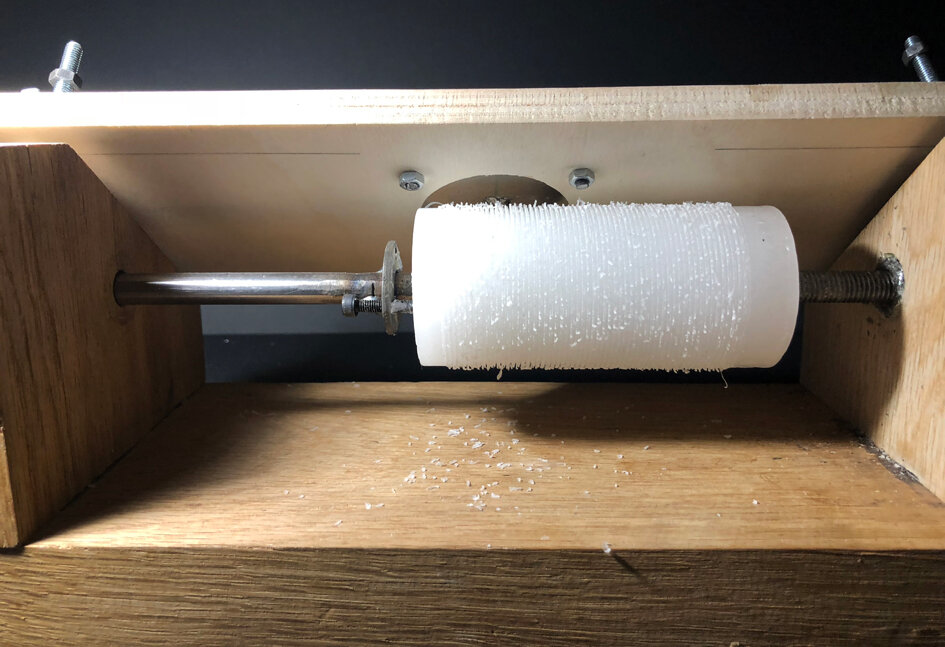
The process of etching became central to this project from an understanding of the scratches and marks on the whale’s skin.